
South Lyon, MI offers a distinct blend of rural space and suburban utility, and the Pheasant Run subdivision stands out for buyers seeking substantial acreage. Located in the 48178 zip code, this area provides a housing landscape defined by established properties rather than dense new construction.
Navigating the 2026 housing market requires a clear understanding of specific neighborhood features before making an offer. Pheasant Run delivers a unique layout with large lot sizes that impact both property maintenance and overall home value. Buyers looking at homes for sale here need objective data on local infrastructure, school assignments, and commute times to evaluate if the area aligns with their requirements.
This guide breaks down the physical characteristics and market realities of the subdivision. Having a firm grasp on these details ensures a more confident approach to purchasing a property in the South Lyon real estate market.
Pheasant Run Real Estate Market and Property Profiles
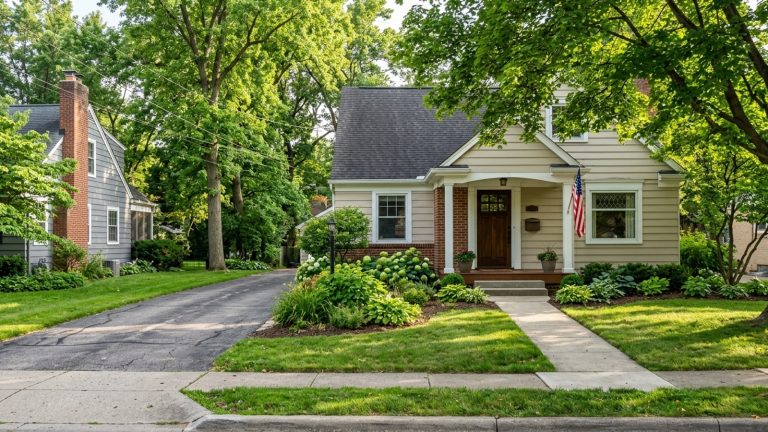
The real estate landscape in Pheasant Run is anchored by custom homes built primarily between the late 1970s and the 1980s. These properties feature mature architectural styles that differ significantly from the modern tract housing found closer to downtown South Lyon. Buyers will typically find floor plans ranging from 1,800 to over 2,200 square feet.
Most homes in the subdivision offer three to four bedrooms, providing ample interior space for various household configurations. Current 2026 market values for these properties generally range from $400,000 to $550,000 depending on the condition of the home. Properties at the higher end of this spectrum usually feature fully updated interiors, modernized kitchens, and maximized lot utility.
Sales history over the past few years indicates steady appreciation in the South Lyon area for properties with larger lot sizes. The demand for expansive land has grown, keeping inventory relatively tight in this specific subdivision. Buyers should expect a competitive environment where well-maintained homes sell close to their listing price.
Neighborhood Layout and Physical Infrastructure
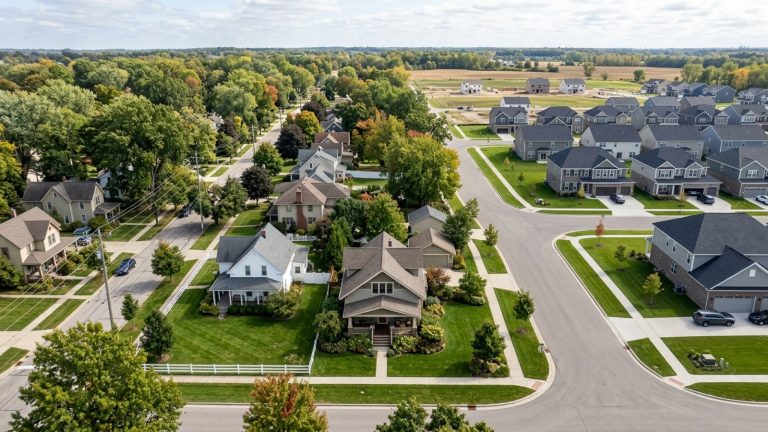
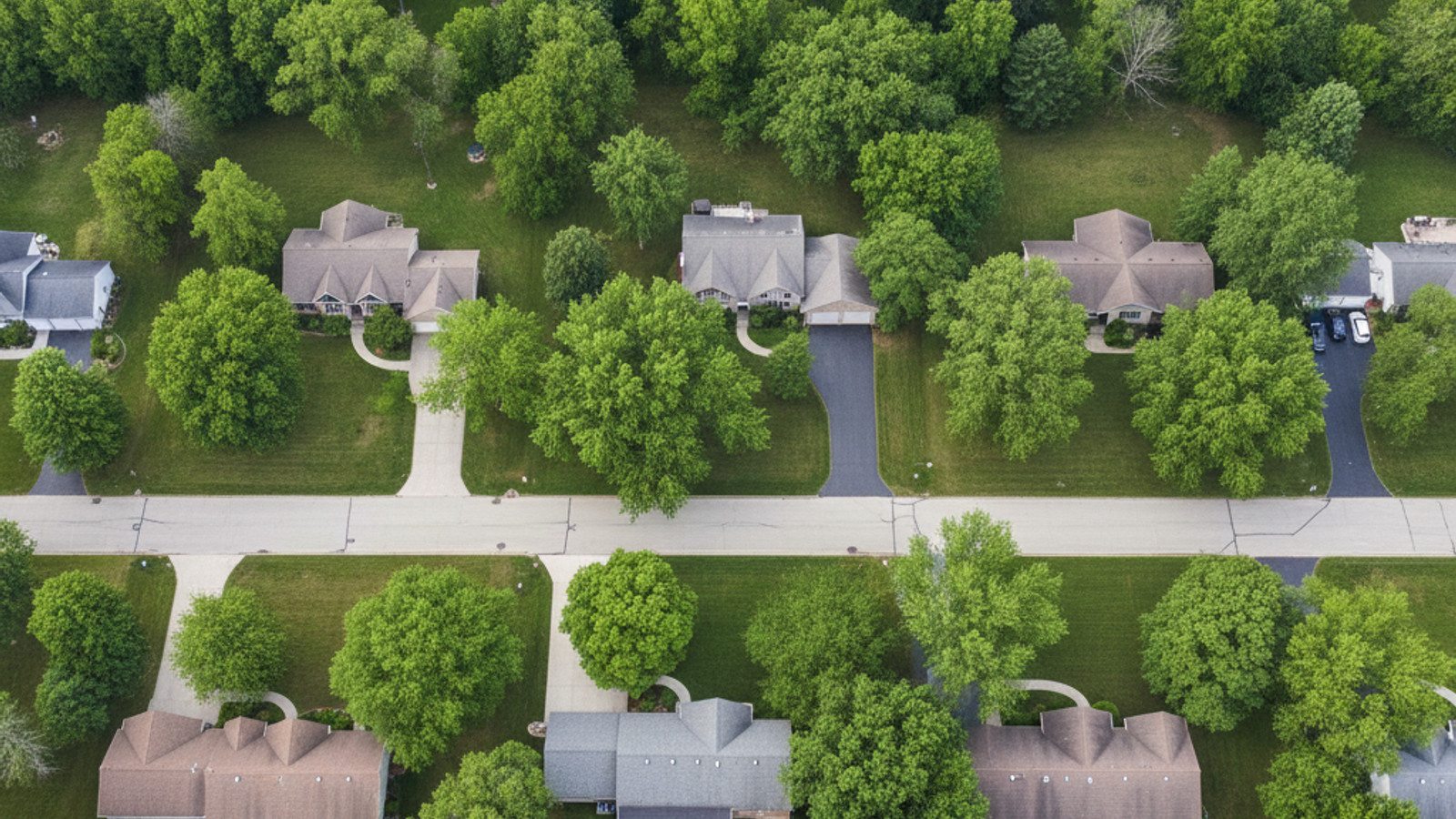
The defining feature of Pheasant Run is its expansive lot sizes, which set it apart from higher-density developments in MI. Parcels here frequently range from one to five acres, granting homeowners substantial physical spacing between neighboring properties. This layout provides extensive opportunities for outdoor recreation, custom landscaping, or simply enjoying a more open environment.
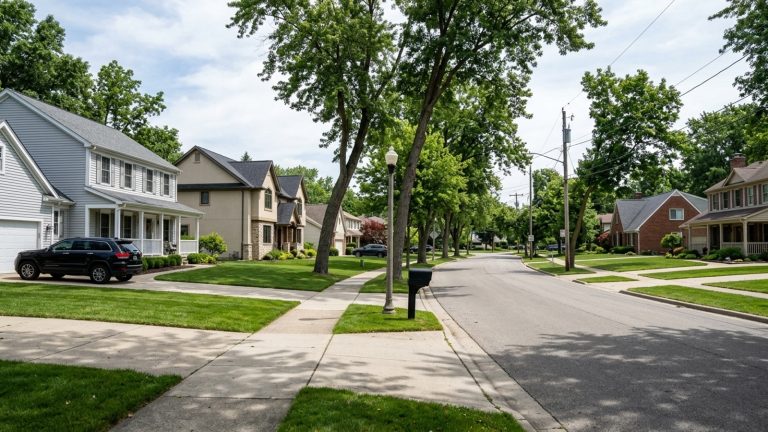
Physical infrastructure within the subdivision includes winding paved roads and a heavy canopy of mature trees. Certain phases of the neighborhood lack continuous sidewalks, which is a common characteristic for properties zoned with larger acreage. The heavy tree coverage provides natural privacy barriers while requiring routine seasonal maintenance from the homeowner.
An active Homeowners Association operates within the subdivision to oversee common areas and enforce local bylaws. HOA involvement ensures that shared spaces remain well-kept, which helps protect the overall home value across the neighborhood. Residents also benefit from quick access to regional healthcare facilities, reflecting the strong municipal infrastructure supporting the broader South Lyon community.
South Lyon Community Schools Assigned to Pheasant Run
Properties in the Pheasant Run subdivision fall under the jurisdiction of the South Lyon Community Schools district. Public schools assigned to this area are located several miles from the neighborhood, making daily transportation planning a necessity for residents. The district provides busing, but many homeowners choose to factor the driving distances into their morning routines.
District boundaries can shift as population density changes in the surrounding townships. Buyers should always verify their specific property address directly with the district office before closing on a home. The primary public schools currently assigned to this subdivision include the following campuses:
- Salem Elementary School serves primary students and is located approximately 7.6 miles from the neighborhood.
- Millennium Middle School handles the intermediate grades and sits about 4.7 miles away from the subdivision.
- South Lyon East High School operates as the main high school for the area, positioned roughly 9.2 miles from Pheasant Run.
Objective Amenities and Conveniences Near the Area
Access to local recreation and daily commercial staples is a major draw for real estate in the 48178 zip code. Residents are just a short drive from McHattie Park and Volunteer Park, which feature baseball diamonds, walking paths, and the historic Witch’s Hat Depot. These municipal spaces provide structured areas for outdoor activities without requiring a long trip outside the immediate community.
The surrounding townships also offer several public golf courses that cater to various skill levels. For more expansive outdoor recreation, the Island Lake Recreation Area and the Huron Valley Rail Trail are easily accessible from the subdivision. These state-managed locations offer miles of paved and unpaved trails for biking, hiking, and accessing local waterways.
Daily shopping and dining require a brief drive, as the immediate subdivision is strictly residential. Grocery stores, local restaurants, and retail centers are concentrated near the downtown sector. Homeowners can reach these commercial hubs quickly, balancing the seclusion of a one-acre lot with the convenience of nearby retail options.
Commute Times and Major Transportation Routes
Transportation logistics are a primary consideration when evaluating homes for sale in Pheasant Run. The neighborhood offers straightforward access to major Michigan transit corridors, specifically I-96 and US-23. This connectivity makes the subdivision a practical choice for buyers commuting to larger employment centers across the region.
While the immediate roads are quiet, accessing the highway network is an efficient process from this location. Traffic patterns remain relatively predictable, though winter weather in MI can occasionally extend standard travel times. Typical driving estimates from the subdivision to regional destinations break down as follows:
- Downtown South Lyon is highly accessible, generally taking under 10 minutes to reach by car.
- Ann Arbor is located to the south, requiring an approximate 25-minute drive via US-23.
- Downtown Detroit typically involves a 35 to 45-minute commute along I-96, depending heavily on peak morning and evening traffic conditions.
Frequently Asked Questions
What are the current market trends and home values in the Pheasant Run South Lyon, MI area?
Current 2026 market trends show steady demand for properties with larger acreage in the region. Home values in Pheasant Run generally range from $400,000 to $550,000, depending on the condition of the property and total lot size. Inventory remains tight as buyers continue to prioritize established neighborhoods with mature lots.
Is South Lyon, Michigan an expensive place to live?
The cost of living in South Lyon sits slightly above the national average, primarily driven by housing costs. Buyers will find that property taxes and real estate prices reflect the strong municipal services and expansive land availability. However, everyday expenses like groceries and utilities remain competitive with the broader MI region.
What is the crime rate in South Lyon, Michigan?
South Lyon maintains crime rates that are generally lower than the national average, according to objective municipal statistics. Property crime and violent crime incidents remain infrequent compared to denser urban centers in the state. Buyers can review specific neighborhood data through the local police department’s public records for complete transparency.
What is the average salary in South Lyon, Michigan?
The average household income in South Lyon is higher than the state average, reflecting the area’s proximity to major corporate hubs. Many residents commute to high-paying sectors in Ann Arbor or Detroit, utilizing the convenient highway infrastructure. This strong local earning power directly supports the sustained property values seen across the local real estate market.