
Navigating Life in South Lyon
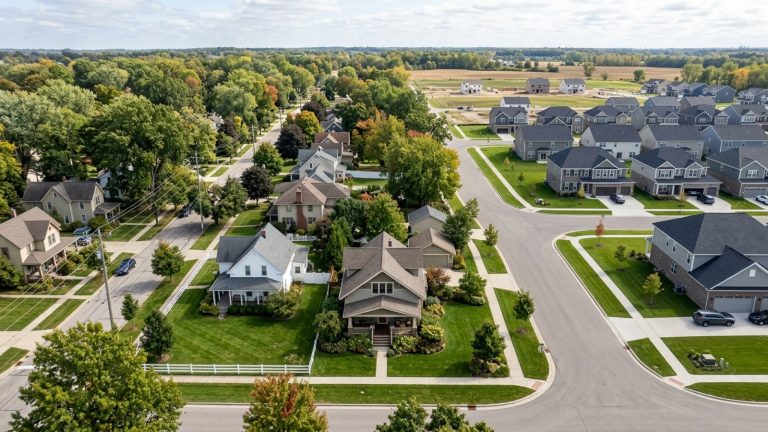
South Lyon sits in a unique “quiet corner” of the metro area. Because the city is positioned right at the intersection of Oakland, Washtenaw, and Livingston counties, it offers a distinct rural-suburban vibe that you just don’t get further east in Novi or Farmington Hills. It’s charming, but it also means our infrastructure is a little different than the dense suburbs closer to Detroit.
If you are thinking about living in South Lyon, the first thing to know is that this is definitely a car-centric community. We aren’t located directly on a major expressway; we are tucked away a few miles from the chaos. While that keeps the noise down, it means you will likely need a vehicle for your grocery runs, school drop-offs, and work commutes. However, even though we don’t have traditional city buses rolling down every street, there are some clever alternative transit options if you know where to look.
Driving & Major Commuter Routes
Since most residents drive, getting to know the main arteries is the first step to mastering the area. You won’t find a direct on-ramp to the highway from downtown; you usually have to drive 10 to 15 minutes north or south to hit the high-speed roads.
Pontiac Trail is the primary diagonal route that locals swear by. It runs northeast to southwest, connecting you up to Wixom or down toward Ann Arbor via the back roads. It’s often a scenic drive, but it can get busy during rush hour since it’s a two-lane road for long stretches. For east-west travel, Lafayette Street (10 Mile Road) is your main path through the downtown district. Taking Lafayette west connects you eventually to US-23, while heading east takes you straight into the shopping hubs of Novi.
When you need to cover serious distance, I-96 is the go-to freeway. Most of us access it by driving north on Kensington Road or Milford Road. If you are looking at homes for sale South Lyon, pay attention to which side of town you are on; being closer to the north end can shave five minutes off your morning trek to the interstate. For those heading toward Ann Arbor, US-23 is easily accessible via 8 Mile or North Territorial Road to the south.
Here is what the commute usually looks like on the clock:
- To Novi: A quick 15–20 minute hop.
- To Ann Arbor: Usually 22–25 minutes if you stick to the back roads and avoid peak US-23 congestion.
- To Detroit: This is the big one. Plan for 45–55 minutes, but keep in mind that traffic on I-96 or I-696 can swing that number wildly.
Public Transportation: The People’s Express
One of the biggest surprises for newcomers is the lack of standard bus stops. You won’t see SMART buses or AAATA fixed routes cruising through neighborhoods here. Instead, we have a unique “demand-response” system called the People’s Express.
Think of People’s Express less like a bus and more like a shared ride service that you book in advance. It’s a low-cost shuttle that covers South Lyon, Wixom, Milford, and can even connect you to transit stops in Ann Arbor. It is incredibly useful for those without a car, but it requires planning. You cannot just walk out to the curb and wave it down.
To use it, you generally need to call and reserve your ride at least three business days in advance. It isn’t designed for last-minute emergencies, but it is reliable for scheduled doctor appointments or shopping trips. The fares are very affordable—usually around $4 for the general public and half that for seniors or those with disabilities—though there may be small surcharges if you are crossing county lines. It’s a fantastic resource, provided you manage your schedule around it.
Walkability & The Huron Valley Trail
While you need a car to leave town, the heart of South Lyon is surprisingly pedestrian-friendly. The downtown core, centered around Lake Street and Lafayette, is a designated walkable district. You can easily park the car and spend an afternoon walking between local bakeries, the historic hotel, and various shops.
For exercise and recreation, the Huron Valley Trail (HVT) is a massive asset. This is a paved trail system built on former rail lines, making it relatively flat and perfect for cyclists, runners, and walkers. It’s not just a small loop; the HVT spans roughly 25 miles of connected trails.
The trail system is a major connector for the region. You can ride your bike from South Lyon all the way into Island Lake State Recreation Area or Kensington Metropark via connector paths. If you want to explore South Lyon parks, you can access the trail easily from Volunteer Park or McHattie Park, both of which have plenty of parking. It’s a big reason why outdoor enthusiasts enjoy living here despite the distance from major gyms or sports complexes.
Getting to Detroit Metro Airport (DTW)
Traveling out of town? Getting to Detroit Metro Airport (DTW) is straightforward, though you have a couple of decisions to make regarding cost and convenience.
If you drive yourself, the trip takes about 35–45 minutes. You will typically take I-96 East to I-275 South. The catch is I-275; it is notorious for construction and rush-hour delays, so always check your GPS before leaving.
There is, however, a “secret” option that many locals love: the Michigan Flyer. While the Flyer doesn’t stop in downtown South Lyon, it has a stop at the Whitmore Lake Park & Ride on 8 Mile and US-23. Since South Lyon borders 8 Mile, this stop is often less than a 10-minute drive from the southern subdivisions.
Taking the Flyer is often cheaper and less stressful than paying for daily parking at the terminal. It runs reliable schedules with over a dozen round trips daily. If you have a super early flight—think 4:00 AM—rideshare apps like Uber or Lyft can be spotty this far out from the city core. In those cases, booking a local car service or limo is your safest bet to ensure you don’t miss your boarding call.
Parking Rules & Snow Emergencies
Day-to-day parking in South Lyon is stress-free. There are ample municipal lots behind the businesses downtown, and they are free. However, winter brings a specific set of rules that catches new residents off guard every year.
The city enforces a strict Snow Emergency Ordinance. Whenever 4 inches of snow accumulate—or if the city declares an emergency due to ice or storms—you must move your vehicle off the street. This isn’t a suggestion; it’s a requirement to let the plows clear the roads safely and efficiently from curb to curb.
The police department takes this seriously. If you leave your car on the street during a snow emergency, you risk getting ticketed and towed. As of early 2026, the fines for impeding snow removal have been reviewed and can be significant—often exceeding $75 plus towing fees—so it pays to keep an eye on the forecast. If you have a narrow driveway, plan your car shuffling strategy before the snow starts falling.
Frequently Asked Questions
Does South Lyon have public bus service?
No, South Lyon does not have a fixed-route public bus system like SMART or DDOT. Residents rely on the People’s Express, which is a reservation-based shuttle service that must be booked days in advance.
How long is the commute from South Lyon to Detroit?
A typical commute to downtown Detroit takes between 45 and 55 minutes by car. However, heavy traffic on I-96 or inclement weather can easily push this drive to over an hour, so allow extra time during peak rush hours.
Is South Lyon bike-friendly?
Yes, especially for recreational cyclists. While main roads like Pontiac Trail can be tight for biking, the city boasts the Huron Valley Trail, a paved rail-trail network that connects cyclists safely to miles of regional parks and neighboring communities.
How do seniors get around in South Lyon without a car?
Many seniors utilize the People’s Express for affordable, door-to-door transportation to medical appointments and grocery stores. Additionally, the Center for Active Adults often coordinates resources and information for senior mobility in the area.
What happens if I park on the street during a snowstorm?
If 4 inches of snow fall or a snow emergency is declared, parking on city streets is prohibited. Vehicles left on the street prevent plows from working and are subject to ticketing and towing at the owner’s expense.