

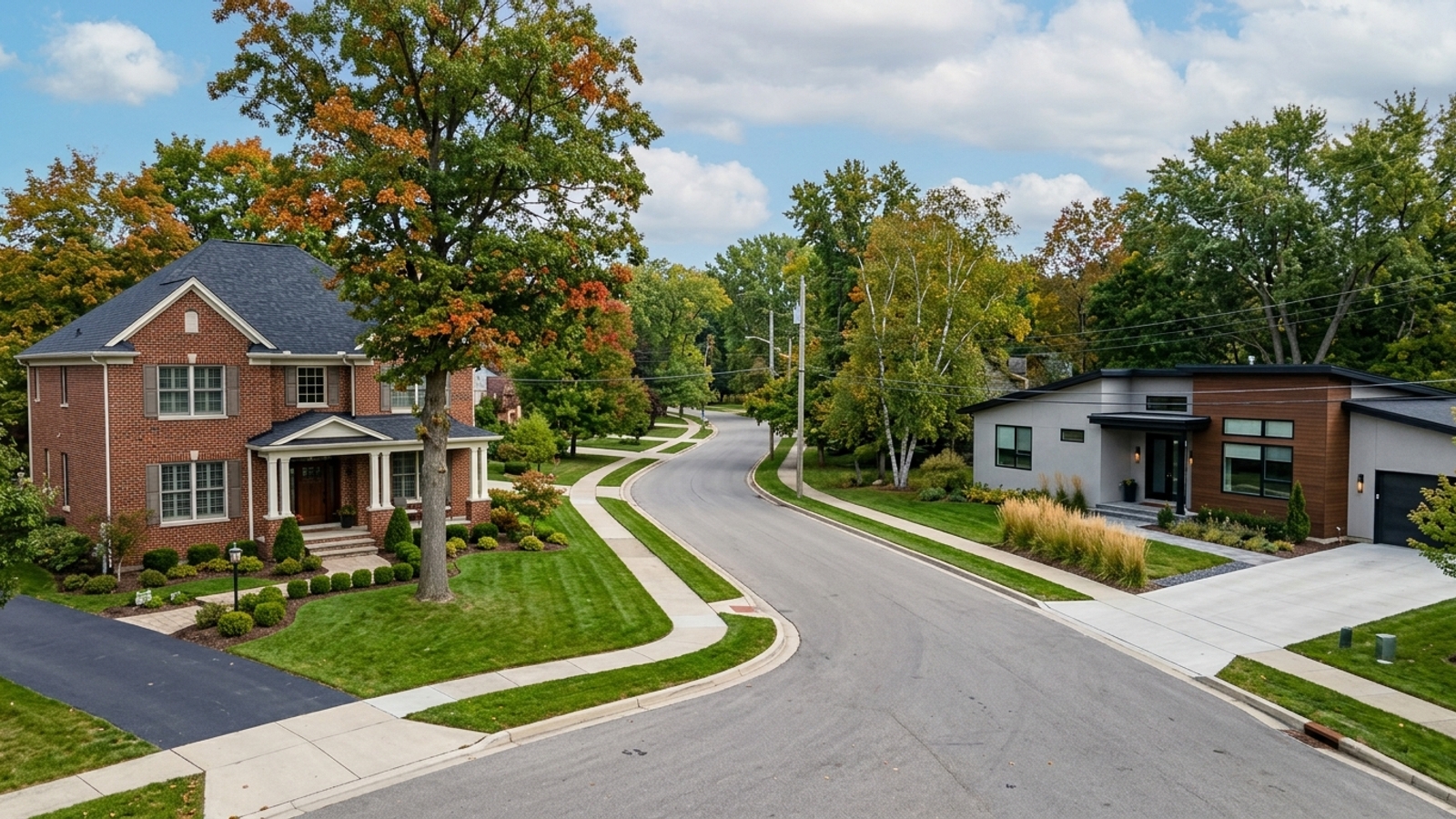
The median home sale price in South Lyon, MI sits around $342,000 as of late summer 2026. Homes are averaging 30 days on the market before going under contract. With over 60 active listings competing for buyer attention, if you are selling a home in South Lyon, MI, what your house looks like – online and in person – has a direct effect on what you’re offered.
Preparing a house for the market is more than a deep clean and a fresh coat of paint. Staging turns a lived-in property into something that appeals to the broadest possible pool of buyers. Whether you hire a professional or do the work yourself, presenting a cohesive, well-defined space gives you a real argument for your asking price.
Why Home Staging Matters for Sellers in South Lyon
The 2025 Profile of Home Staging from the National Association of Realtors (NAR) makes the connection between staging and higher offers pretty clear. According to the report, 17% of buyers’ agents and 19% of sellers’ agents saw staging increase the dollar value offered by 1% to 5%. Another 10% of respondents reported a 6% to 10% jump in offer value.
Staging also affects how long your house will sit on the market. The same NAR report found that 49% of sellers’ agents observed staging reducing a home’s total time on the market. In a town where the average is already 30 days, cutting that timeline down means fewer weeks of keeping the house showroom-ready for every tour.
Does Staging Help Homes Sell Faster?
When buyers walk into a staged home, they immediately understand what every room is for. Empty spaces tend to leave people guessing about scale – will my furniture actually fit? Staging removes that friction by showing exactly how the room works.
A faster sale usually starts with strong listing photos driving immediate traffic. Professionally arranged rooms photograph better, which leads to more saves and shares on listing portals. That first-week surge of interest is often what produces quicker, more confident offers.
What Changes About How Buyers View a Property
Staging shifts a buyer’s attention away from the current owner’s personal taste and toward the home’s actual features. Instead of noticing a packed bookshelf or a collection of family photos, they notice the natural light and the floor plan.
Well-placed furniture also highlights what’s working while quietly minimizing what isn’t. A rug can define an open-concept living area. A mirror in a narrow hallway makes it feel like it has room to breathe. These aren’t tricks – they’re just good visual editing, and they add up.
How Much Does Home Staging Cost in South Lyon?
Local market listings for South Lyon home stagers show that an initial consultation generally runs between $150 and $600. The stager walks through the property and gives you a detailed plan – what to remove, what to rearrange, what to rent. Some sellers stop right there and execute the plan themselves to keep the cost of selling a house down.
For full professional staging, sellers in South Lyon typically pay between $2,000 and $6,000, depending on the home’s square footage and how many rooms need furniture. That’s consistent with national benchmarks – the 2025 NAR report puts the median cost for professional staging services at around $1,500. Agent-only staging, where the listing agent brings in light accessories, averages closer to $500.
Professional Staging Cost Ranges
The final number depends largely on how much furniture the company has to bring in. Staging a 3,000-square-foot house with multiple living areas will naturally land toward the top of the $2,000 to $6,000 range. Stagers price in furniture rental, delivery, setup, and removal.
Most contracts cover an initial 30-day or 60-day rental period. If the home takes longer to sell, you’ll likely pay an ongoing monthly rental fee to keep the furniture in place. Ask about renewal terms before you sign anything.
Vacant vs. Occupied Staging Costs
Vacant homes almost always cost more because the company has to supply everything – sofas, dining tables, beds, all of it. Starting from a completely empty house requires a much larger inventory pull.
Occupied staging tends to be more budget-friendly. The stager works with what you already have, edits out the excess, and brings in smaller pieces – artwork, throw pillows, lamps – to freshen the look. You’re not renting as much, so the cost stays lower while the result still looks polished.
Professional Staging vs. Doing It Yourself
Whether you hire a professional or handle it yourself comes down to your budget, your timeline, and the furniture you’re working with. A professional stager brings a fresh eye and a warehouse full of modern, neutral inventory – and they do the heavy lifting so you can focus on packing and moving.
DIY staging means being willing to pack away personal items and potentially rent storage space for oversized furniture. If you go that route, lean on your real estate agent for honest feedback about what needs to go. Some targeted, low-cost changes can still move the needle considerably.
When to Hire a Professional Stager
If the home is completely vacant, or if your current furniture leans toward a very specific style, a professional is worth the money. Empty rooms look smaller in photos. Dated furniture makes buyers feel like the house needs more work than it does.
A professional also makes sense for higher-priced listings where buyers expect a premium presentation. When you’re competing at the top of the South Lyon market, the staging has to match the price tag.
A Realtor-Approved DIY Staging Checklist
If you’re staging yourself, the goal is simple: maximize the sense of space and let the home’s permanent features do the talking.
Here’s where to focus your energy:
- Remove personal photos, diplomas, and collections from all surfaces.
- Clear kitchen and bathroom counters completely, leaving only one or two decorative items.
- Take out oversized furniture that blocks traffic flow or makes rooms feel cramped.
- Update outdated light fixtures and make sure all bulbs emit a consistent, warm white light.
- Pack away off-season clothing so closets look larger and more organized.
Room-by-Room Staging Tips for Your Listing
Buyers spend most of their attention on the main living areas and the primary suite. That’s where your staging time and money will deliver the highest return on investment. Secondary bedrooms and basements need much less – just clean and clutter-free.
The rule that applies to every single room is the same: establish one clear purpose. If a spare bedroom is currently a home office, a gym, and a storage room, pick one function and remove everything else. Buyers need to be able to picture themselves in the space, and that’s nearly impossible when a room is doing three jobs at once.
Living Room and Kitchen Focus
In the living room, pull furniture away from the walls to create a real conversation area rather than a perimeter arrangement. Anchor the space with a neutral area rug, add some subtle color with throw pillows, and make sure the window treatments are open to let in as much natural light as possible.
The kitchen tends to be where decisions get made. Clear the refrigerator of magnets and papers, store away small appliances like toasters and blenders, and keep the decorating simple – a bowl of fresh fruit or a single vase of flowers on the island is plenty.
Primary Bedroom and Bathrooms
The primary bedroom should feel like somewhere you’d actually want to decompress. Crisp, white bedding, a textured throw at the foot of the bed, and nightstands cleared of everything except matching lamps and maybe a small book or plant. That’s the whole formula.
Bathrooms need to be spotless. Every daily toiletry comes off the counter and out of the shower. Replace them with fresh, fluffy white towels. A new shower curtain and a clean bath mat can do a surprising amount of work in an older bathroom without costing much.
Curb Appeal and Entryway
The showing starts before the buyer opens the front door. Power wash the siding, clean the windows, make sure the house numbers are visible and look current. A fresh coat of paint on the front door and a new welcome mat cost very little and set a tone that carries through the rest of the tour.
Inside, clear the entryway of shoes, coats, and mail. If there’s room, a small console table with a mirror above it bounces light around the foyer and immediately signals that the house is organized and well cared for.
Staging an Occupied Home vs. a Vacant Listing
Living in a home while it’s on the market is its own kind of discipline. You’re essentially maintaining a showroom on top of your regular life – which often means wiping down counters and hiding toiletries before you leave for work in the morning.
Vacant homes trade one set of problems for another. Without furniture, buyers tend to fixate on minor imperfections – scuffed baseboards, uneven paint – things they’d barely notice in a furnished room. An empty house can also feel cold in a way that’s hard to shake, which is exactly why staging matters so much for vacant listings.
Tips for Staging While You Still Live There
The most effective approach is aggressive pre-packing. Box up anything you don’t need for the next two months and move it to a storage unit. The less stuff in the house, the faster you can get it ready for a short-notice showing.
Invest in some good storage baskets. When a showing request comes in with an hour’s notice, you can sweep mail, remote controls, and pet toys into a basket and slide it into a closet. It’s not glamorous, but it keeps surfaces clear without requiring a full reset every single day.
When Virtual Staging Makes Sense for a Vacant Home
Virtual staging adds furniture and decor digitally to photos of empty rooms. It’s a cost-effective way to show a vacant space’s potential online and tends to work well for generating initial interest on listing portals.
It doesn’t help once buyers show up in person, though. The house is still empty, and that can break the impression the photos created. If you use virtual staging, disclose it clearly in the listing so buyers know what they’re walking into.
Local Home Staging Companies Serving South Lyon, MI
A local stager understands what South Lyon buyers respond to – finished basements, open-concept living areas, the features that actually move the needle in this market. That’s worth something when you’re evaluating who to hire.
When you’re looking at companies, ask to see their recent portfolio. You want a stager with a versatile enough inventory to complement your home’s architecture, not someone applying the same aesthetic to every property regardless of what it is.
Trusted Local Staging Partners
Several experienced staging companies work throughout Southeast Michigan and take South Lyon listings regularly. First Impression operates as a certified home stager and interior designer in the immediate area. We Stage Greater Detroit LLC handles both staging and senior living transition services for local sellers.
Other established options include Impact Home Staging Experts, a Michigan-based company that has staged over 10,000 properties across the region. Harmony By Design is also listed among the top home staging providers specifically servicing the South Lyon 48178 zip code.
Home Staging FAQs
Does home staging help sell a house faster in South Lyon?
Yes. According to the 2025 NAR Profile of Home Staging, 49% of sellers’ agents reported that staging reduced a property’s time on the market. Staged homes photograph better, which drives more online interest and translates into quicker offers.
How much does it cost to stage a house in South Lyon?
Initial consultations in the area typically cost between $150 and $600. For full professional staging, sellers usually pay between $2,000 and $6,000, depending on the square footage and how many rooms require furniture.
How long does the home staging process take before I can list my property?
It depends on the home’s condition and the stager’s availability. An initial consultation can happen quickly, but scheduling delivery and setup of rental furniture may take one to two weeks. DIY staging timelines depend entirely on how fast you can pack and declutter.
What are the biggest mistakes to avoid when DIY staging a house for the South Lyon market?
The most common mistake is leaving too much personal furniture in the space, which makes rooms feel cramped. Sellers also frequently leave up family photos that pull buyers’ attention in the wrong direction. Failing to update lighting or clear countertops are other frequent missteps.
How do I stage a house in South Lyon that I am still actively living in?
Start by pre-packing anything you don’t need daily and moving excess furniture to a storage unit. Use decorative baskets to quickly hide daily clutter when a showing gets scheduled. The goal is a minimalist environment that’s easy to tidy on short notice.
Is virtual staging a good enough alternative for a vacant listing in South Lyon?
It depends on your strategy. Virtual staging is effective for generating online interest by showing a room’s potential, but buyers will still walk through an empty house during physical tours. If you use it, disclose it clearly in your listing photos so no one is caught off guard.
Who pays the closing costs on a new construction home?
Buyers typically cover these expenses, though builders sometimes offer financial incentives to help offset the total amount. A clear breakdown of closing costs on a new construction home allows you to budget accurately before signing a contract. Maximizing your current property’s sale price through staging can help fund these upcoming expenses.
How does staging impact my home’s valuation?
While staging does not change the structural facts used in a formal appraisal, it significantly influences how much a buyer is willing to offer. A professional property valuation in South Lyon establishes your baseline asking price. Presenting a cohesive, well-defined space then gives you a strong argument for securing offers at or above that baseline.