
If you’re looking at a map of Metro Detroit trying to find the next smart place to park your capital, your finger might naturally hover over the big names like Royal Oak or Birmingham. But if you look just a bit further out, you’ll find the “Sweet Spot” strategy that local investors are quietly capitalizing on: South Lyon.
South Lyon sits at a strategic intersection of Oakland, Livingston, and Washtenaw counties. It is no longer the sleepy rural town of twenty years ago. Today, it serves as a high-demand “Commuter Connector.” It is positioned perfectly about 20 minutes north of Ann Arbor and 20 minutes south of the Novi business corridor.
This geography creates a unique tenant pool. You have tech and university professionals from Ann Arbor mixing with automotive and healthcare workers from Oakland County. They choose South Lyon because it offers a break from the congestion of the inner suburbs while still providing a high quality of life. For investors, this means the area has transitioned from a rural outpost to a suburban spillover market characterized by low inventory and rising asset values.
South Lyon Market Forecast 2026: Will It Zoom?
Let’s get straight to the numbers. You might be wondering if this market is going to skyrocket or if it has plateaued. The data for early 2026 suggests we are looking at steady, sustainable growth rather than a volatile boom-bust cycle.
Current trends point to a year-over-year appreciation of roughly 4.3%. While that might not sound like the double-digit frenzy of the pandemic years, it represents the kind of stability buy-and-hold investors love. We are still firmly in a Seller’s Market. Inventory remains tight, hovering around a 1.5 to 2-month supply. This scarcity keeps a floor under pricing and protects your equity.
However, you need to be realistic about the entry price. The days of picking up decent inventory here for $250,000 are largely behind us. The median home value is sitting around $454,000. This higher price point means you need more capital upfront, but you are acquiring higher-quality assets that tend to attract more responsible, long-term tenants.
Liquidity is also strong. Homes are generally going pending in 30 to 40 days. If you price a property correctly, it moves, which is a good sign if you ever need an exit strategy.
Rental Market Analysis: Cash Flow vs. Equity
When you run the numbers for South Lyon, you’ll notice this is often an equity play first and a cash flow play second, specifically for newer construction. However, the rental demand is incredibly robust.
The typical tenant profile here consists of households who are priced out of buying at current interest rates or who are relocating for jobs in the auto or tech sectors. They want the space of a single-family home and access to the school district. Because of this, vacancy rates are extremely low—typically under 5%.
For a standard 3-to-4-bedroom single-family home, you can expect rents in the range of $2,300 to $2,800 per month.
In older neighborhoods closer to downtown, you might find price-to-rent ratios that meet the “1% rule,” but in the newer subdivisions, your ROI will lean heavily on appreciation and principal paydown. The trade-off is often lower maintenance costs and higher tenant retention in those newer builds.
City of South Lyon vs. Lyon Township: What Investors Must Know
This is the single most important section for anyone new to Michigan real estate. You have to understand the difference between the “City of South Lyon” and “Lyon Charter Township.” They share a zip code and a school district, but they are different administratively—and tax-wise.
The Tax Reality
Michigan uses a “Homestead” vs. “Non-Homestead” property tax system. As an investor, you will pay the Non-Homestead rate, which is significantly higher (roughly 18 mills more) than what an owner-occupant pays.
Generally speaking, Lyon Township often offers a lower overall millage rate (around 49 mills for non-homestead) compared to the City, which has additional millages for city services. This difference can save you hundreds of dollars a month in holding costs, directly impacting your cash flow. Always verify the specific tax ID of a property before making an offer.
Housing Stock Differences
The housing stock varies wildly between the two:
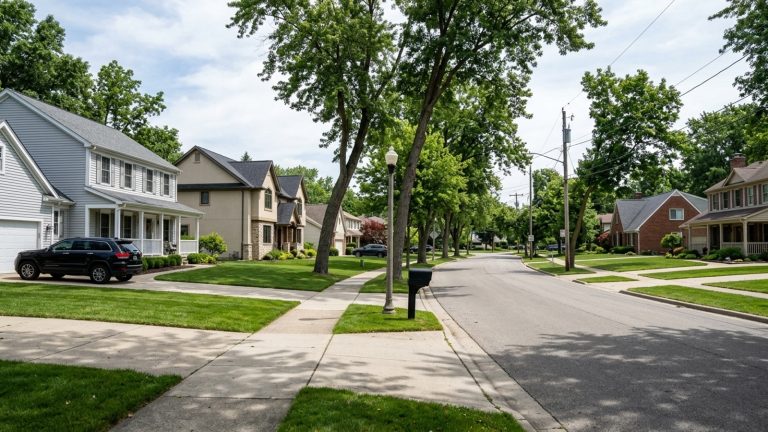
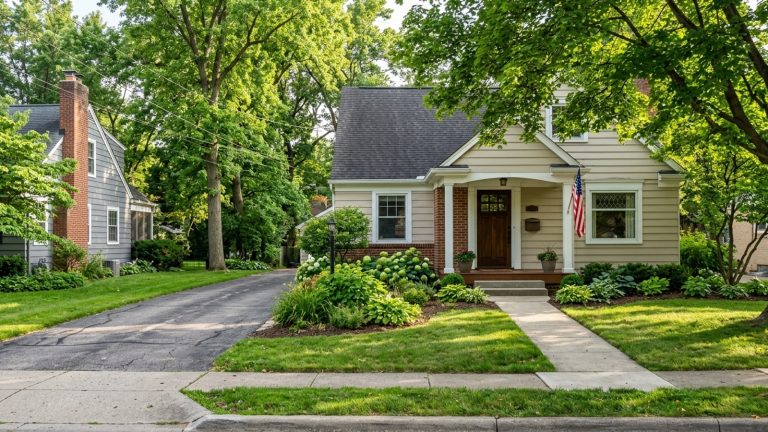
- The City: Offers older, charming bungalows and Victorian-era homes. These are often walkable to downtown but may require more maintenance.
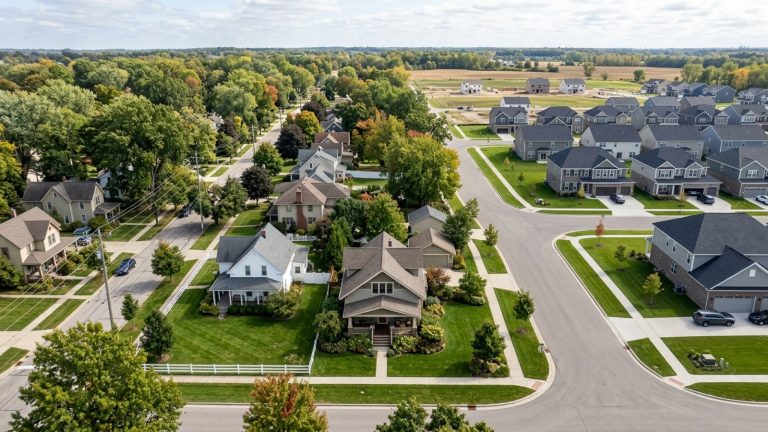
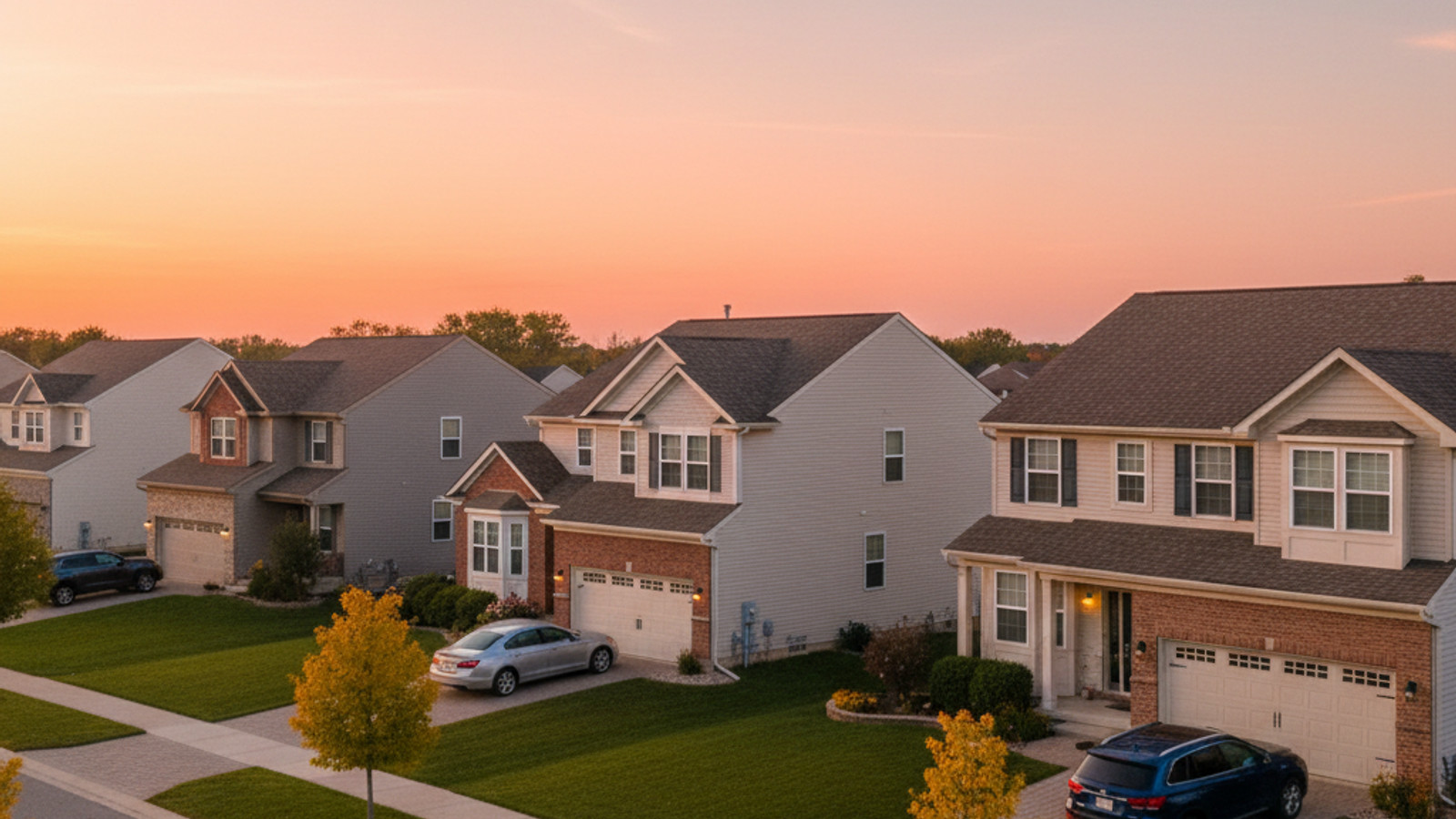
- The Township: Dominated by newer subdivisions built from the late 1990s through today. These usually come with HOA fees, which you must factor into your monthly budget, but they offer modern floor plans that tenants love.
Top Neighborhoods & Areas to Watch
If you are ready to start browsing listings, here are a few specific areas that tend to offer good potential, depending on your strategy.
- Trotters Pointe: This is a very popular subdivision in the Township. It attracts long-term tenants easily. However, you must read the HOA bylaws before buying. Many HOAs in the area are tightening restrictions on the number of rentals allowed.
- Downtown (City): If you are looking for a value-add project, look for older homes within walking distance of the “Witch’s Hat” Depot and local restaurants. These homes have character and appeal to tenants who want a walkable lifestyle.
- Colonial Acres: This area often offers more entry-level price points compared to the massive new builds. It can be a great spot for a first-time investor looking to get into the South Lyon market without spending half a million dollars.
- Lyon Township New Builds: There are several developments with homes priced at the top of the market. These work well for corporate relocation tenants who expect granite counters, attached garages, and modern amenities.
The School District Factor
We cannot talk about neighborhoods without mentioning the South Lyon Community Schools. This is the number one driver for tenant demand in the area.
The district consistently receives high ratings (often Grade A- on platforms like Niche). Why does this matter for your bottom line? Tenant retention. Households with children enrolled in South Lyon High or South Lyon East are far less likely to move out after one year. They tend to stay for the duration of their children’s schooling, drastically reducing your turnover costs and vacancy loss.
Strategic Investment Approaches for South Lyon
So, how do you actually win in this market? Here are three approaches that work well here.
1. The Long-Term Buy & Hold This is the primary winner in South Lyon. Focus on homes with 3+ bedrooms and 2+ bathrooms. The goal is to secure a stable tenant who treats the home like their own, while you let the property appreciate over 5 to 10 years.
2. The “Forced Appreciation” Play Look for the “ugly duckling” in the City of South Lyon—perhaps a 1970s ranch or an older bungalow that hasn’t been updated. By updating the kitchen and flooring to modern standards, you can force equity into the deal and command top-tier market rent.
3. Avoid Short-Term Rentals A word of caution: This is not a prime market for Airbnb or VRBO strategies. Between strict HOA rules in the Township and potential local ordinances, the regulatory risk is high. Furthermore, the demand here is for housing, not vacationing. Stick to 12-month leases for safety and stability.
Frequently Asked Questions
Is South Lyon, MI a good place to invest in real estate?
Yes, provided you are looking for stability over quick cash. South Lyon sits in a geographic “sweet spot” between Ann Arbor and Novi, ensuring constant tenant demand from professionals. With steady appreciation around 4-5%, it is a strong market for wealth preservation and long-term growth.
What are the property taxes for investors in South Lyon?
Investors must pay the “Non-Homestead” tax rate, which is roughly 18 mills higher than the rate for owner-occupants. It is vital to calculate this into your monthly expenses, as online mortgage calculators often default to the lower “Homestead” rate.
How much can I rent a house for in South Lyon?
As of early 2026, decent single-family homes generally rent between $2,300 and $2,800 per month. Newer executive-style homes in premium subdivisions can command even more, depending on finishes and square footage.
What is the difference between Lyon Township and the City of South Lyon?
The City involves a dense, walkable downtown area with older housing stock and generally higher taxes due to city services. Lyon Township surrounds the city, features newer subdivisions with HOAs, and typically offers a slightly lower tax rate for investors.